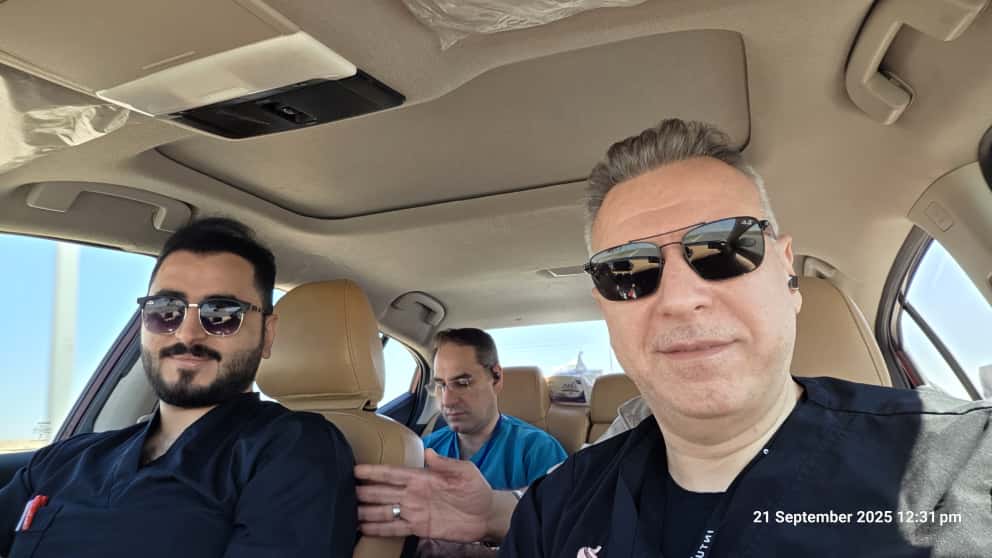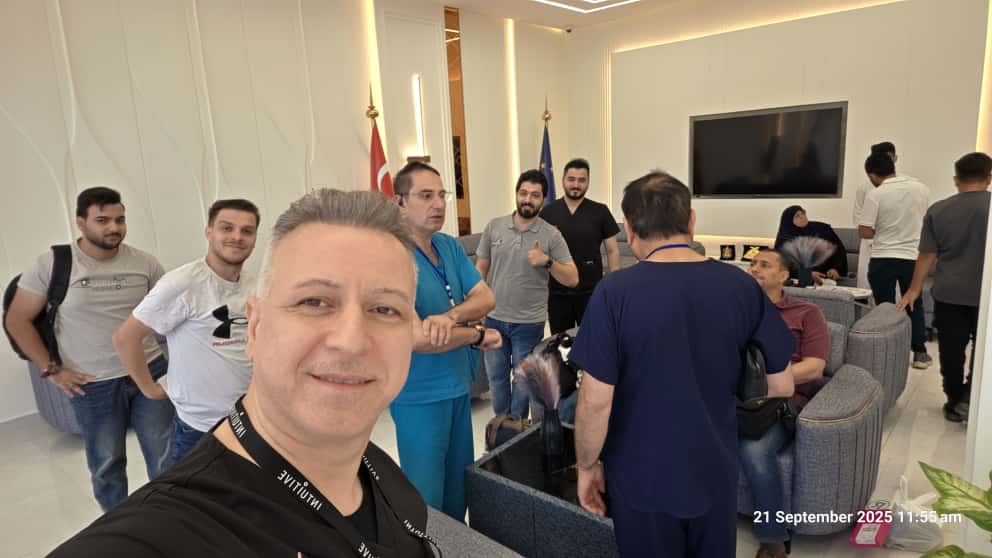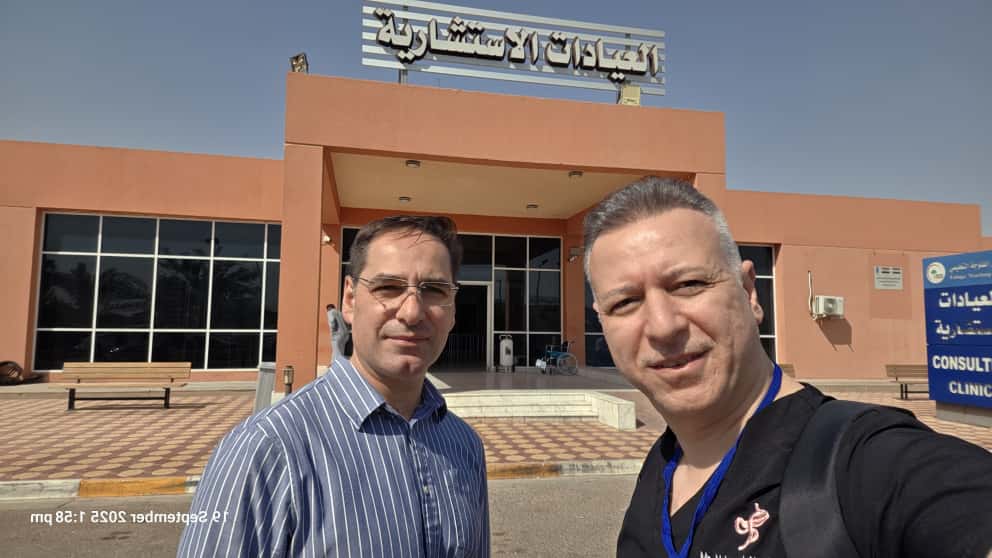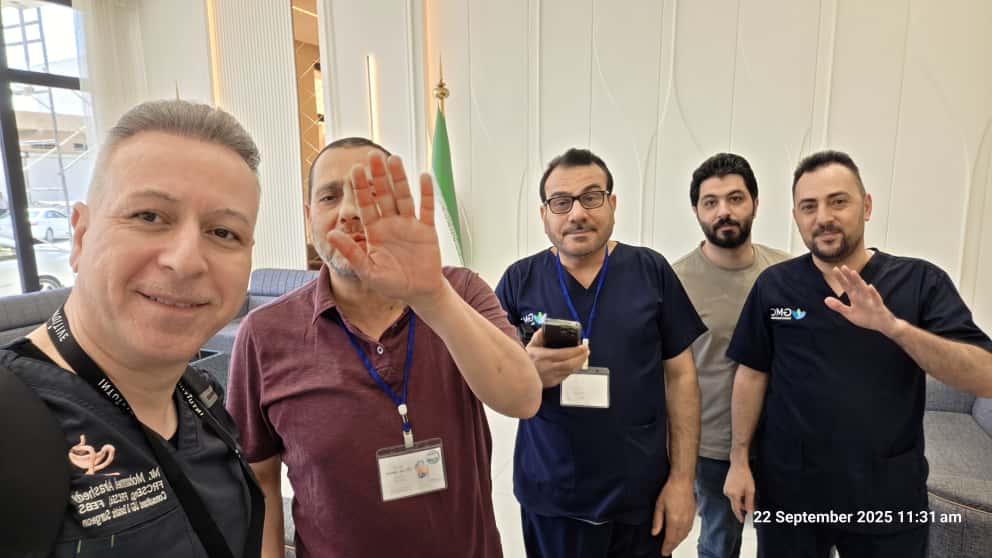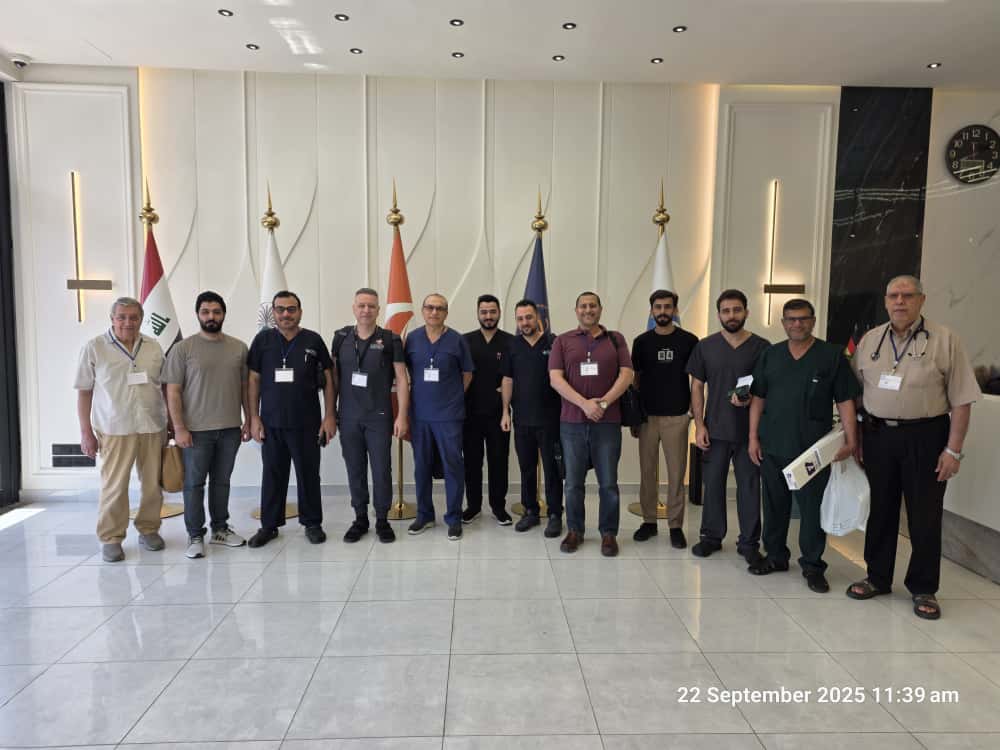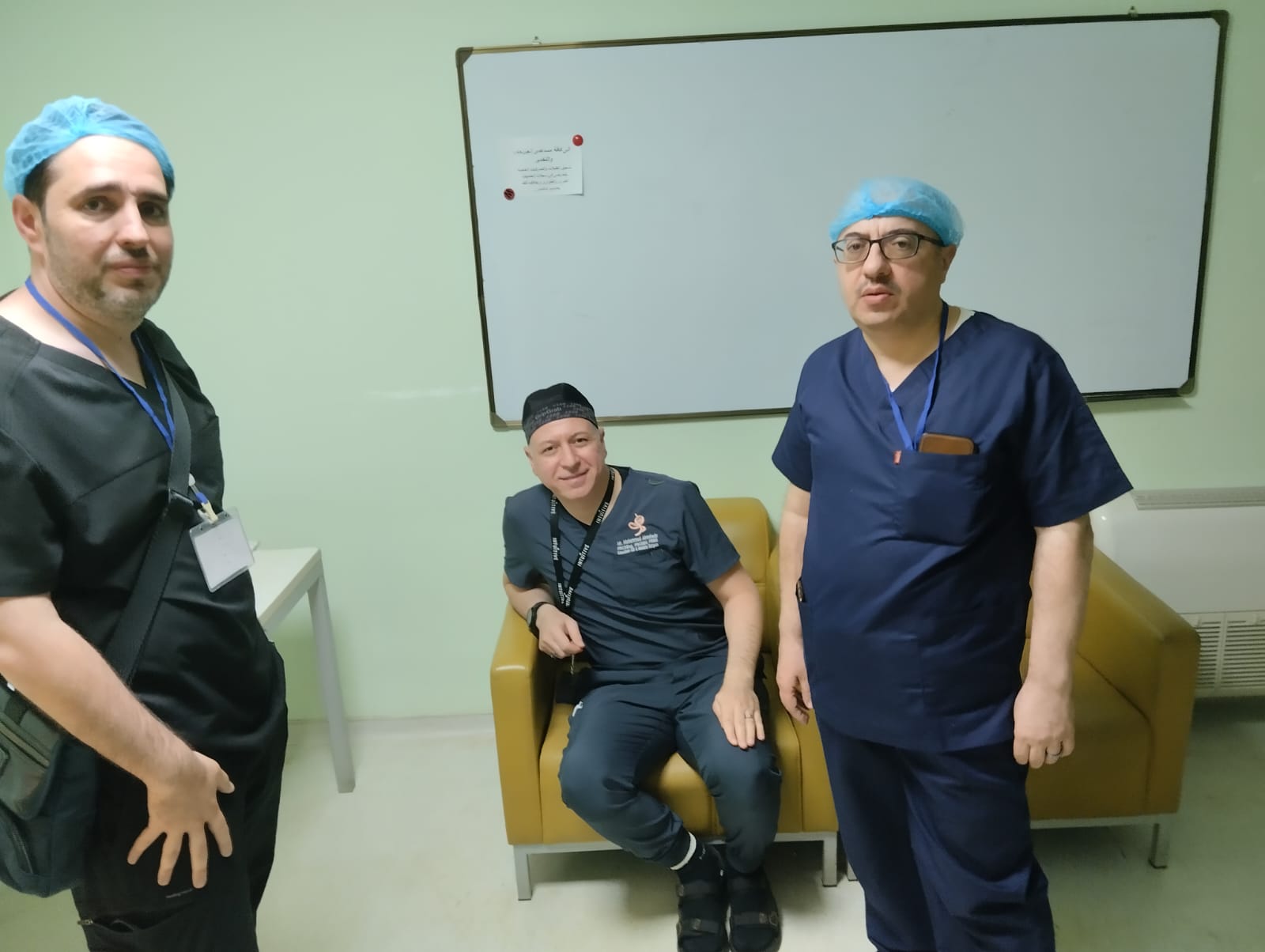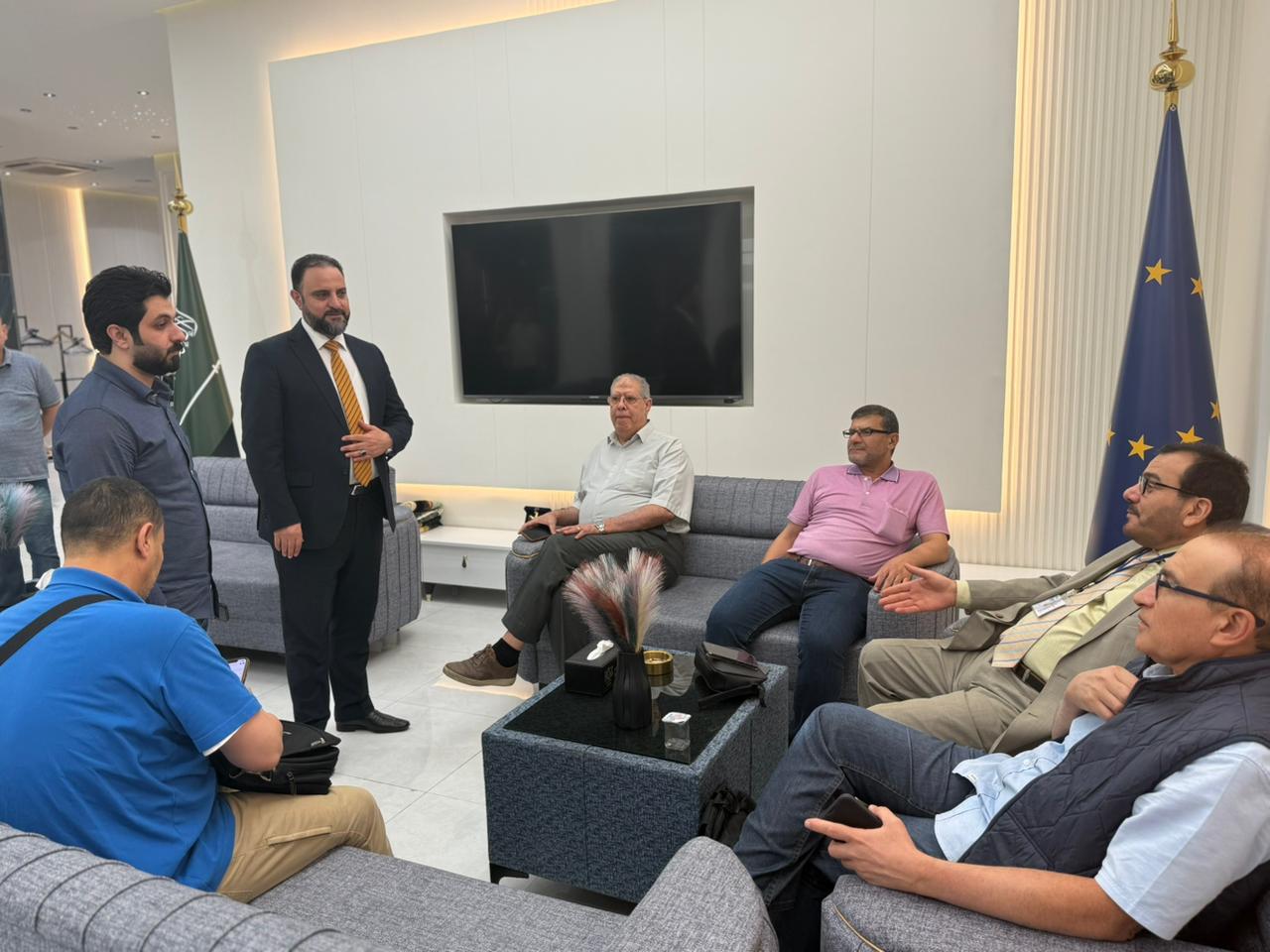

About MOFN
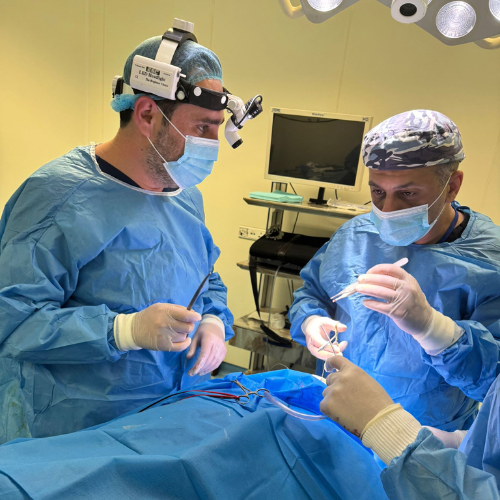
Medical Organization for the Needy (MOFN) is a UK-registered charity dedicated to ensuring that people facing hardship, displacement, and crisis can access essential, dignified healthcare—free of charge.
Where We Work
- Founded: 2025
- Registration: United Kingdom (Charity/Company No. 16277957)
- HQ: Brighton, UK
- Field Presence: United Kingdom; missions to the Middle East and Iraq
- Operating Contexts: Low-resource settings, refugee/displacement contexts, areas affected by earthquakes, famine, or armed conflict
Whom We Serve & Why
Primary Health Challenges:
Interrupted access to primary care and surgery, unmanaged
NCDs, gaps in maternal & child health, vaccine-preventable disease risk, and limited
rehabilitation services.
Target Populations:
Underserved communities, refugees and displaced families,
vulnerable women and children, and individuals with mobility-limiting conditions.
Equity Lens:
Services are prioritized by vulnerability and clinical urgency, not
ability to pay.
Inputs:
Licensed clinicians & volunteers, donated funds & supplies,
partnerships, logistics
Activities:
Primary care, surgical missions, vaccination support, MCH, NCD clinics,
outreach & health education, rehabilitation, telemedicine
Outputs:
Consultations, procedures, referrals, health sessions, assistive devices
Outcomes:
reduced morbidity, improved continuity of care, better adherence,
restored mobility
Impact:
Healthier, more resilient communities
Financial Stewardship
Funding Sources:
Individual donors; Foundations; Institutional donors; Service-linked
revenue; In-kind donations.
Budget:
Scales with donations and mission needs; strict documentation for tax
and audit purposes.
Controls:
Segregation of duties, approvals, transparent reporting.
Audits:
External reviews and opinions where applicable.
Banking Compliance:
AML/KYC adherence.
Emergency Response & Capacity
Triggers:
Verified needs from authorities/partners and situational assessments.
Surge Rosters:
Ready-to-deploy teams and logistics within defined timelines.
Coordination:
Engagement with EOCs, clusters, and MoH in emergencies.
After-Action Reviews:
Post-mission learning embedded into SOPs.
Technology & Data
Telemedicine:
Available (e.g., Zoom) for triage, follow-up, and specialist consults
where appropriate.
EMR/HIS:
To be deployed as partnerships and infrastructure allow.
Data Sharing:
Agreements and interoperability where required, with privacy safeguards.
Communications & Brand
Brand Pillars:
Health as a right; dignity in care; partnership with local systems;
transparency to donors.
Media & Consent:
Patient confidentiality protected; explicit consent required for photos
and stories.
Crisis Communications:
Context-specific escalation and spokesperson protocols.