
.jpeg)
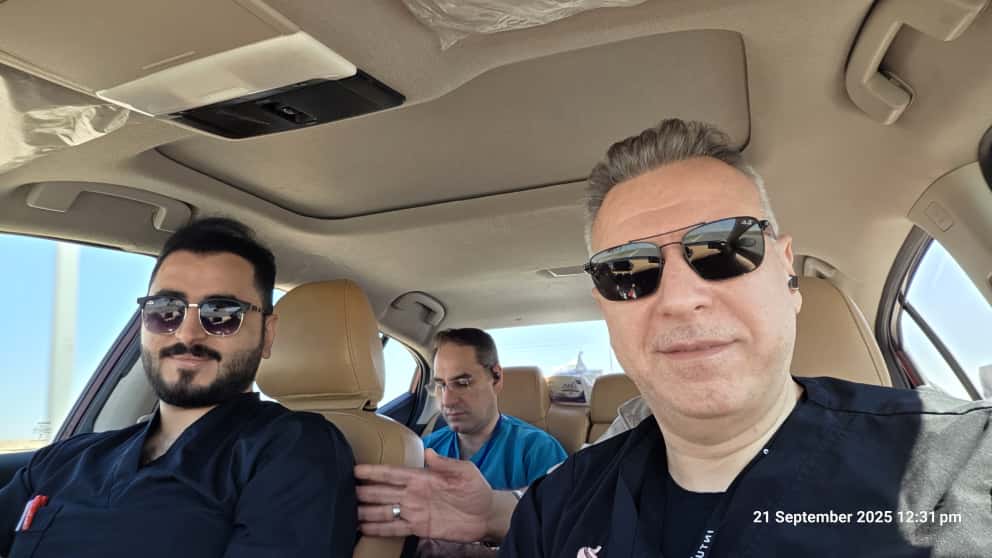
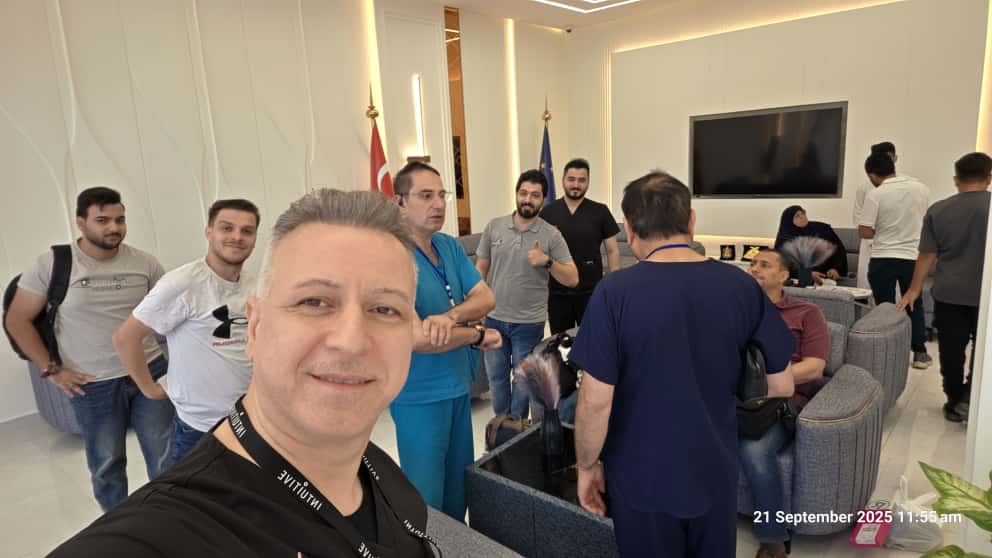
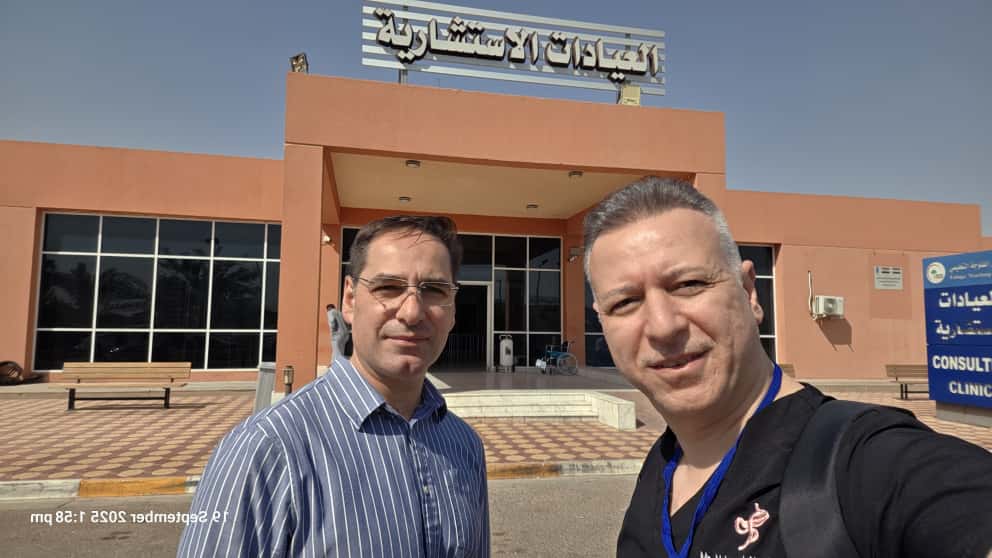
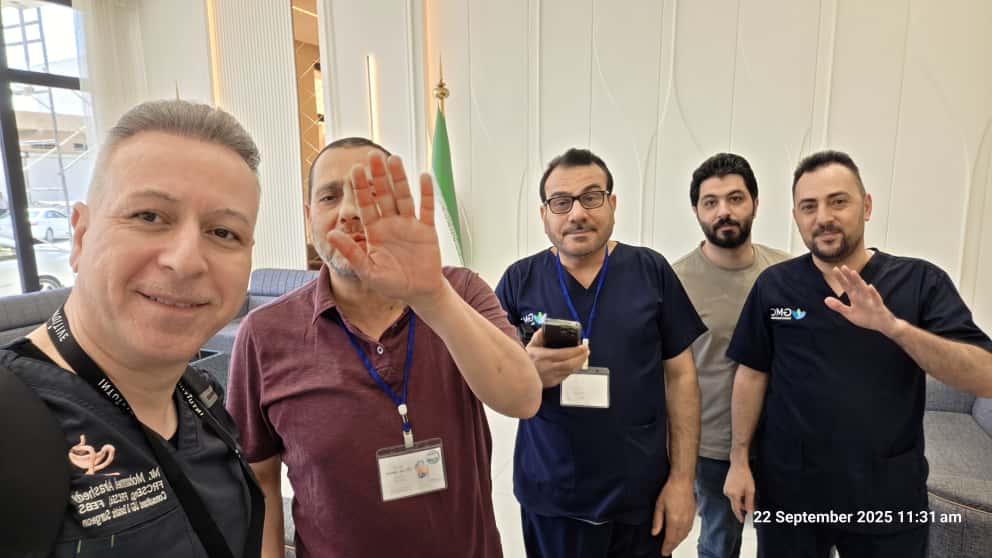
MOFN | Al-Falluja Medical Mission
Summary
Why we went
In Al-Falluja, too many patients wait too long for care that
can’t wait. MOFN’s mission (September 18–25, 2025) was simple and urgent: stand
with local clinicians, open operating rooms to those at the back of the line,
and restore function, dignity, and hope—one case at a time.
What we delivered
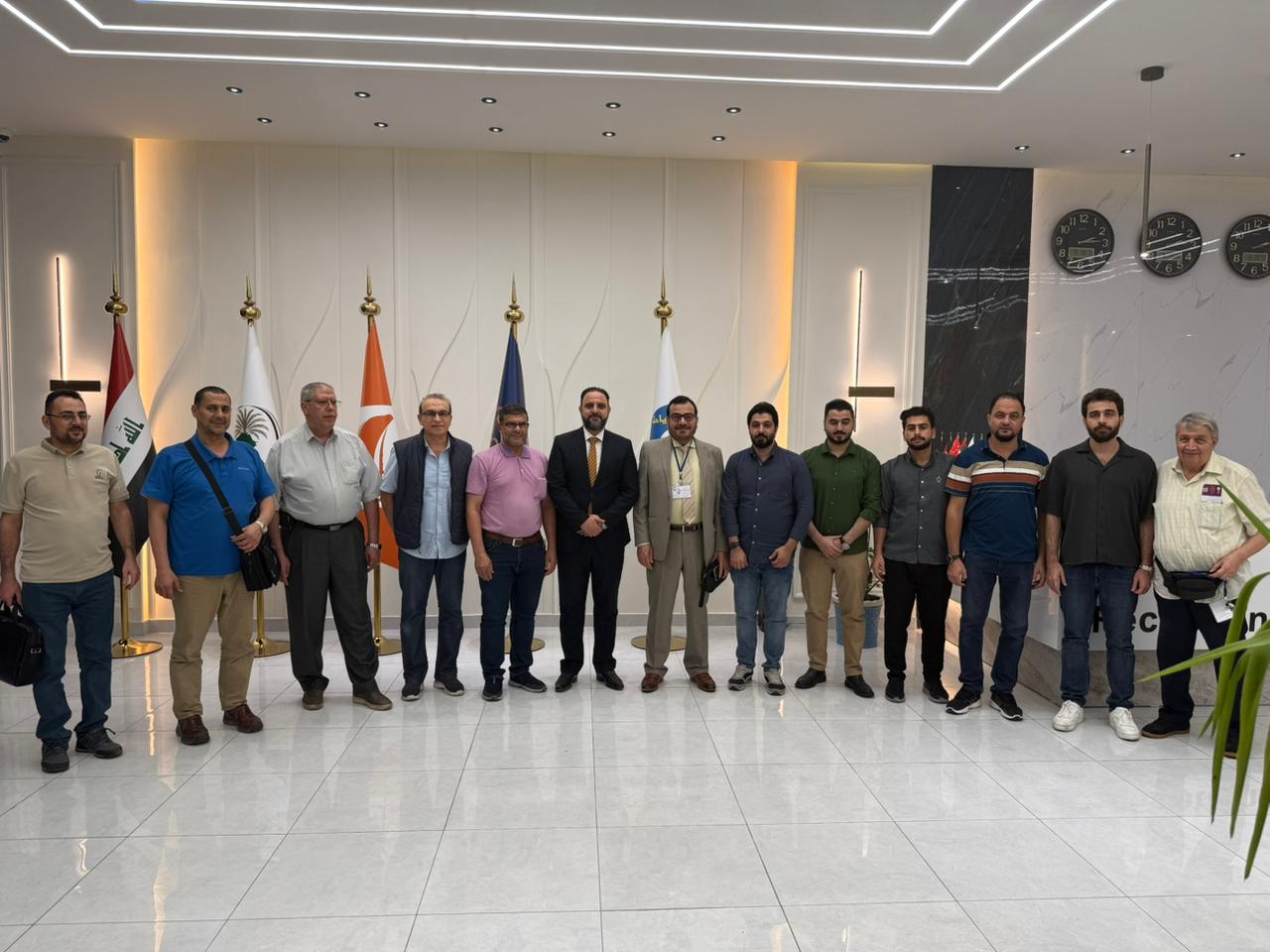
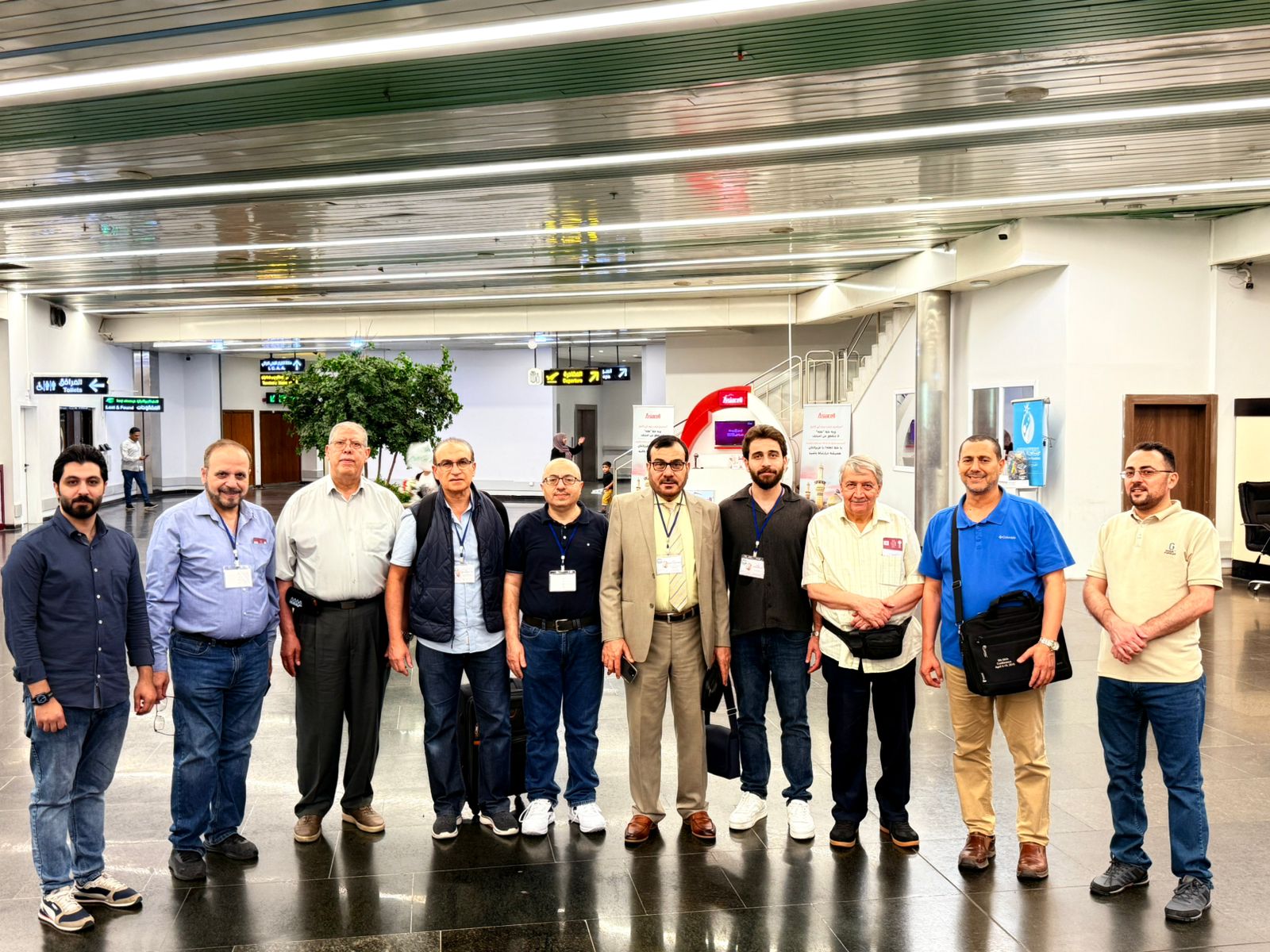
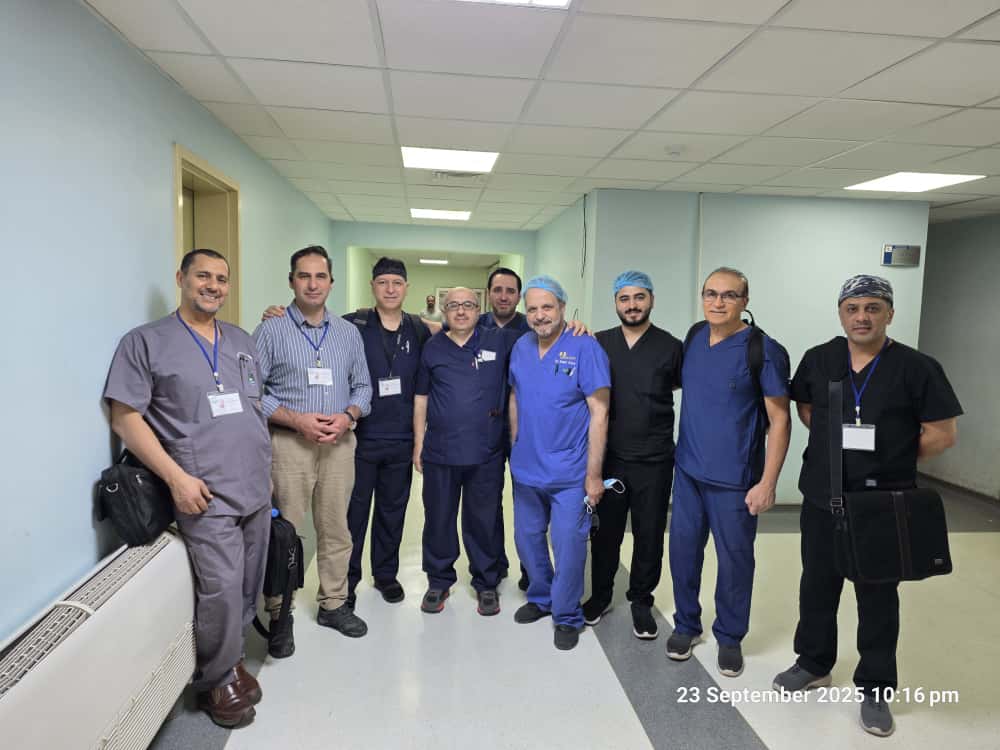
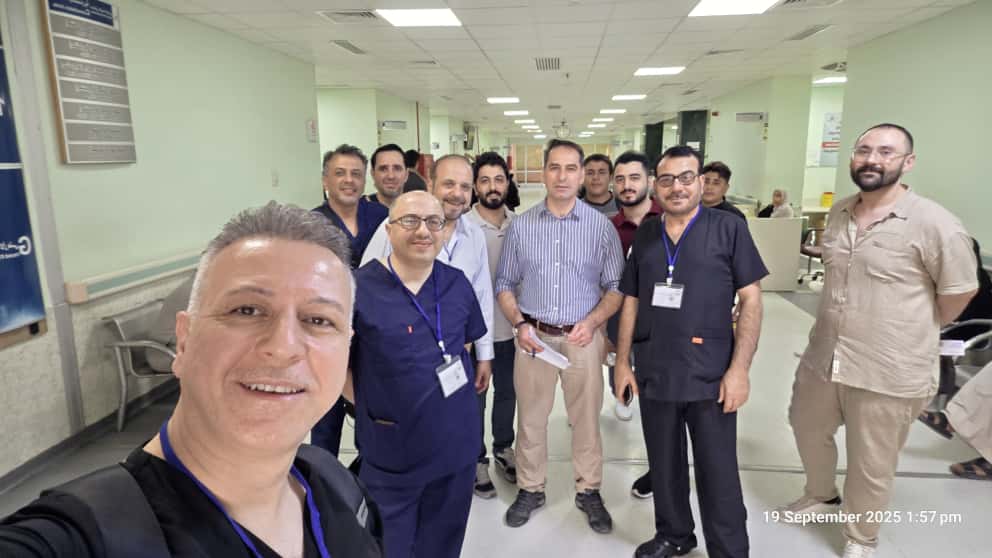
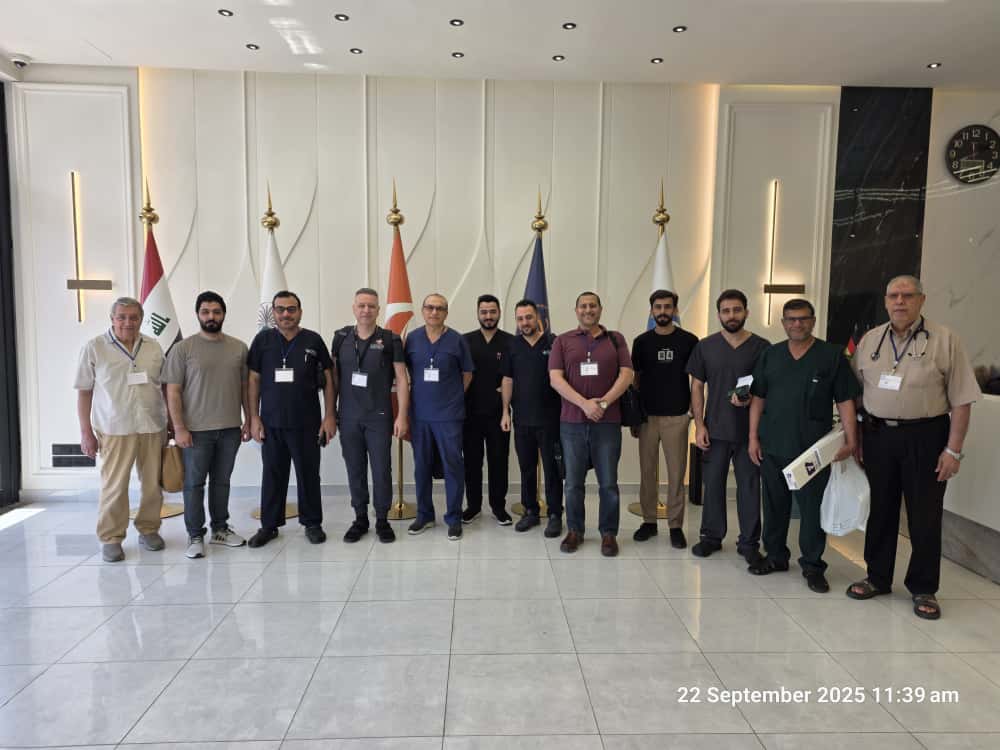
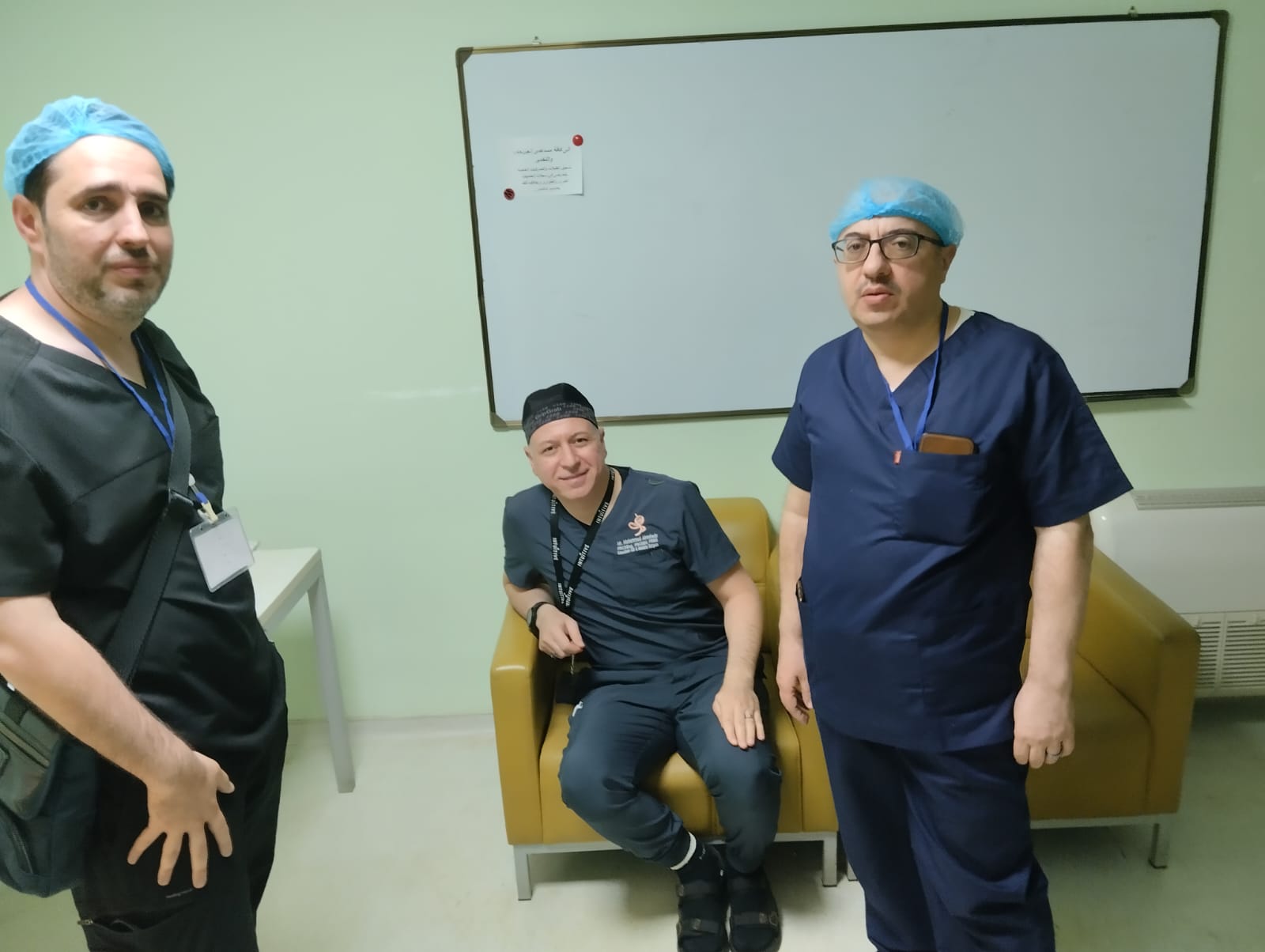
A multidisciplinary team worked shoulder-to-shoulder with
hospital staff across orthopedics & spine, general surgery, urology,
maxillofacial/ENT, and plastic & reconstructive surgery. Over one intensive
week, the team prioritized cases where a single intervention could transform a
life: the grandmother who could finally walk to her garden after a knee
replacement; the young worker spared a lifetime of pain by a spinal
decompression; the child whose cleft repair re-opened a future.
Impact at a glance
- 143
surgeries and procedures completed, significantly reducing the backlog
of complex cases.
- Orthopedics
& Spine: total hip and knee replacements, spinal
decompressions/fusions, ACL reconstructions, corrective osteotomies.
- General
Surgery: laparoscopic cholecystectomy; inguinal, incisional, and
paraumbilical hernia repairs; fissure/fistula/hemorrhoid procedures.
- Urology:
TURP, varicocelectomy, cystolitholapaxy, flexible ureteroscopy, diagnostic
cystoscopies, and meatoplasty.
- Maxillofacial/ENT:
cleft palate repair, rhinoseptoplasty, thyroid and neck mass surgery,
tonsillectomies, scar revisions.
- Plastics
& Reconstruction: post-burn contracture releases, tendon
reconstructions/tenolysis, local flaps and grafts, tumor excisions with
reconstruction, septorhinoplasty, hand trauma salvage.
- Pain
& function support: 60+ targeted image-guided injections to
relieve pain, stabilize joints, and accelerate rehab.
How we worked
- With,
not for: Local surgeons and nurses co-led case selection, anesthesia
plans, and peri-operative pathways to fit the hospital’s reality—not an
external playbook.
- Safety
first: Clear pre-op criteria, standardized checklists, and meticulous
handovers ensured continuity of care after wheels-up.
- Capacity
built in: Every procedure doubled as training—technique sharing at the
table, protocols on paper, and follow-up schedules owned by the host
teams.
What it meant
This mission was about more than numbers. It shortened
distances: between pain and relief, between fear and confidence, between “maybe
someday” and “today.” Patients left with a plan and a path forward; teams left
stronger, connected by shared standards and mutual respect.